

Dental bonding, or tooth bonding, is a treatment in which tooth-colored composite resin is shaped onto a tooth to fix a chip, close a small gap or cover a stain. Redondo Beach Dental Group provides it in Redondo Beach, a short drive from Hermosa Beach, Manhattan Beach and Torrance.
Bonding is often the most conservative of the cosmetic dentistry treatments, because it usually needs little or no removal of natural tooth and is typically finished in one visit. Call (310) 542-6988 if you have a chipped or uneven tooth you want looked at.
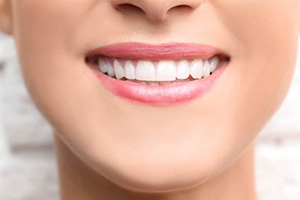
What Dental Bonding Can Fix
Bonding works best on small, visible problems on otherwise healthy teeth. A dentist may suggest it to:
- Repair a chipped or cracked edge
- Close a small gap or space between teeth
- Improve the shape of a tooth that is shorter, narrower or more pointed than its neighbors
- Smooth a sharp or uneven edge
- Cover a stain or dark spot that whitening does not lift
The resin is matched to the shade of your natural teeth so the repair blends in. If you prefer, a slightly lighter shade can brighten the tooth a little. The same family of materials is used for tooth-colored fillings, which is why bonding is sometimes described as a repair as much as a cosmetic treatment.
How Tooth Bonding Is Done
Dental bonding is usually completed in a single visit, and the steps are much the same for each tooth:
- Your dentist picks a resin shade that matches the tooth.
- The surface is lightly roughened and coated with a conditioning liquid so the resin can grip it.
- The resin goes on soft, like putty, and is shaped and sculpted into place.
- A curing light hardens it.
- The bonded area is trimmed, polished to a natural shine and checked against your bite.
Most cosmetic bonding is done without drilling, so numbing is often not needed. When bonding also replaces decay or the tooth is reshaped near the nerve, a local anesthetic may be used. You can usually eat and talk normally as soon as the visit ends. Ask us how long your appointment will take, since it depends on how many teeth are involved.
Whiten First, Then Bond
Composite resin keeps the color it was made in. Whitening gel lightens natural enamel but not bonding, veneers, crowns or fillings. If you bond a front tooth now and whiten later, the bonded tooth can end up darker than the teeth around it.
If you are thinking about both, do teeth whitening first. Once the new shade has settled, the bonding can be matched to it. When bonding is one step among several, such as straightening, whitening and a crown, a smile makeover plan puts the steps in an order where one does not undo another.
How Long Dental Bonding Lasts
Bonding lasts for years, but not as long as porcelain, and how long depends a great deal on the tooth and your habits. A 2015 systematic review in Dental Materials reviewed 17 clinical studies of composite restorations on front teeth, each followed for at least three years. Annual failure rates ranged from 0 to 4.1 percent. A broken restoration or tooth was the most common reason for failure, and problems with color and surface stain were more frequent when the resin had been placed for appearance.
That matches what wears bonding down in everyday life. Resin is softer than enamel and picks up stain more easily than porcelain. These habits help it last:
- Do not bite fingernails, pens, ice or hard candy with bonded teeth
- Rinse with water after coffee, tea and red wine, and avoid tobacco
- Brush twice a day and floss, so plaque does not build up at the edges
- Keep up regular checkups and cleanings, where small chips can be polished or patched early
If you clench or grind your teeth, especially at night, bonding on the biting edges is more likely to chip. A custom night guard protects both the bonding and your natural teeth. Bonding that chips or stains can usually be repaired or replaced without starting over.
When Bonding Is Not the Best Choice
Bonding is a good fit for a small chip or gap on a healthy tooth. It is less suited to:
- A large break, a cracked back tooth or a tooth weakened by a big old filling, which often needs the strength of a crown
- Changing the color and shape of several front teeth at once, where porcelain lasts longer and resists stain better
- Heavy grinding that has not been addressed
- Teeth with active decay or gum disease, which are treated before any cosmetic work
For the first case, a same-day crown covers the whole tooth and is milled from tooth-colored ceramic in our office during one visit. For the second, porcelain veneers are the usual alternative. They need a thin layer of enamel removed, so they are a longer-term commitment than bonding, which can generally be adjusted or removed later. Many people start with bonding on one or two teeth and only move to veneers if they want a bigger change.
Who You Will See
Dr. Moshe Eizdi leads care at Redondo Beach Dental Group. He earned his Doctor of Dental Surgery degree at the University of Southern California, where he graduated with honors, and his work covers cosmetic and restorative dentistry, including implant restorations.
What Dental Bonding Costs
The cost of dental bonding depends on how many teeth are treated, how much of each tooth is covered or rebuilt, and whether other treatment, such as a filling or a cleaning, is needed first. Bonding generally costs less per tooth than a porcelain veneer or a crown. Ask for an estimate at your exam so you know the full number before you begin.
Insurance often treats bonding differently depending on why it is done. Bonding that repairs a chipped or broken tooth may be partly covered, while bonding done only to change how a tooth looks is usually considered cosmetic. We accept PPO plans, so ask us how your plan applies to this treatment. For costs your plan does not cover, we offer payment plans through Cherry, CareCredit and LendingClub, plus an in-office plan for patients without insurance.
Frequently Asked Questions
How much does dental bonding cost per tooth?
The cost of dental bonding per tooth depends on the size of the repair, how much shaping the tooth needs and whether other treatment comes first. Bonding usually costs less than a veneer or crown. Redondo Beach Dental Group can give you an estimate at your exam, and bonding that repairs damage may be partly covered by insurance.
How long will bonding last on teeth?
Dental bonding usually lasts for years, though not as long as porcelain. In a 2015 systematic review of front-tooth composite restorations followed for at least three years, annual failure rates ranged from 0 to 4.1 percent, most often because of a fracture. Avoiding hard objects and treating grinding help it last longer.
What are the downsides of dental bonding?
The main downsides of dental bonding are that the resin stains more easily than porcelain and can chip, especially on biting edges or in people who grind their teeth. It also does not whiten. On the other hand, it usually needs little or no removal of natural tooth and can be repaired.
Can teeth rot under bonding?
A tooth can develop decay under or around bonding, usually where plaque collects at the edge between the resin and the tooth. Bonding does not make a tooth decay-proof. Brushing, flossing and regular checkups let a dentist spot a leaking edge early, when it can be repaired.
Who is not a candidate for dental bonding?
Dental bonding is usually not the best choice for a large break, a tooth weakened by a big filling, or someone with heavy grinding that is not treated. Active decay and gum disease are treated first. In those cases a crown or porcelain veneers may hold up better.
Is dental bonding worth it?
Dental bonding is often worth it for a small chip, gap or uneven edge, because it is usually done in one visit, keeps most of the natural tooth and costs less than veneers. It is less worth it for large repairs or for changing many teeth, where porcelain lasts longer.
Can bonded teeth be whitened?
Bonded teeth do not get lighter with whitening gel, because composite resin keeps its original color. Only natural enamel lightens. If you want whiter teeth and bonding, whiten first and have the bonding matched to the new shade. Bonding that has stained can be polished or replaced.
Book Dental Bonding in Redondo Beach
Redondo Beach Dental Group is at 2511 Artesia Blvd, Redondo Beach, CA 90278. We are open Monday 7:30 a.m. to 5:30 p.m., Tuesday 8:30 a.m. to 5:30 p.m., and Wednesday through Friday 7:30 a.m. to 5:30 p.m. Call (310) 542-6988 or request an appointment online, and tell us which tooth you would like to fix.